
Pressing-Intensive Bundesliga Teams of 2018/2019: How Pressure Systems Produced Chances and Corners
Intense pressing reshaped the Bundesliga landscape in 2018/2019. Clubs adopting proactive pressure schemes not only controlled territory and tempo but also translated turnovers into attacking chances and corner accumulation. For bettors, these tactical identities provided measurable indicators for “Over Corners” and “Team to Score First” markets. Understanding how pressing systems shape probability helps convert stylistic observation into structured betting logic.
Why Pressing Translates Into Attacking Volume
Pressing generates attacking momentum by forcing opponents into turnovers near their defensive third. When executed with synchronized structure, it yields higher shot frequencies and, critically, deflections resulting in corners. Unlike possession-dominant football, pressing-based play accelerates tempo and increases the number of incomplete defensive clearances, directly impacting set-piece volume. The outcome is fast, repetitive pressure cycles that sustain offensive zones.
Teams with the Most Aggressive Pressing Profiles
Bundesliga’s 2018/2019 campaign featured a cluster of teams with top-tier pressing indices (measured by PPDA—Passes per Defensive Action). These clubs consistently ranked high in both chance creation and corner generation.
| Team | PPDA (Lower = More Pressing) | Avg. Shots per Match | Avg. Corners Won | Tactical Note |
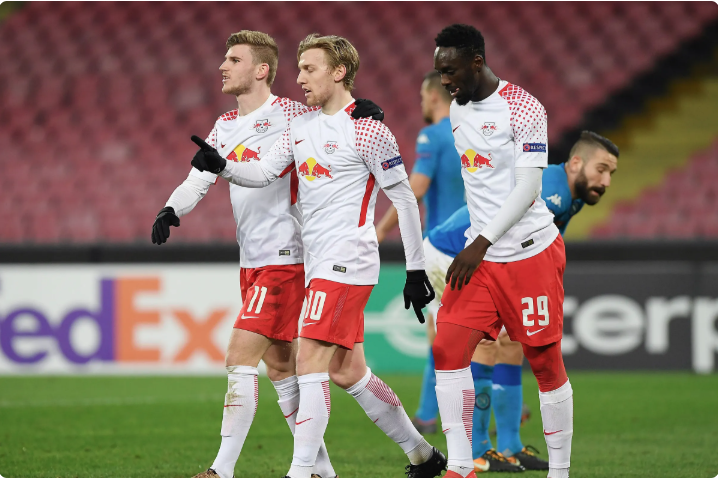
| RB Leipzig | 7.6 | 15.4 | 6.2 | Relentless central trapping |
| Hoffenheim | 8.1 | 14.8 | 5.9 | Wing isolation and overloads |
| Bayer Leverkusen | 8.4 | 14.5 | 5.6 | Compact transitions |
| Borussia Dortmund | 9.0 | 15.8 | 7.1 | Balanced between press and ball recovery |
| Wolfsburg | 9.2 | 13.6 | 5.0 | Mid-block press conversion |
Aggressive pressing compressed opponents into their own half, generating corner-rich sequences and rebound shooting opportunities. These figures demonstrate how tactical identity alters probability structures across corner and total shot-related markets.
H3: How Momentum Phases Multiply Corner Opportunities
Sustained pressing creates recurring micro-moments—blocked shots, pressured clearances, and goalkeeper saves leading to recycling attacks. This cyclical momentum explains why high-pressure teams often win more corners even in stalemate results.
Pressing and Expected Goals Correlation
The pressing model also correlates with elevated xG values because shorter ball recovery distances lead to higher-quality attempts. Yet, this efficiency depends heavily on shape coordination; mistimed pressing reduces both corner advantage and shot reliability.
Using UFABET Analytics to Track Tactical Conversion
When identifying pressing-based teams for betting strategy, one can study match flow indicators through analytical dashboards provided by ufabet team. This platform offers real-time data around possession recovery zones, xG evolution per minute, and live corner tracking—allowing bettors to align tactical observations with evolving pricing. By gauging when pressing fatigue diminishes reliability (typically after 70 minutes), one can anticipate shifts in tempo-related markets before odds update. Observing this tactical decay curve enhances timing precision for in-play “Over/Under Corner” wagers and live goal probabilities.
Tactical Evolution Across Key Clubs
Pressing efficiency differed across coaching models during 2018/2019.
- Nagelsmann’s Hoffenheim: Relied on dynamic overloads and half-space interruptions.
- Rangnick’s Leipzig: Defined league intensity through synchronized, immediate chasing triggers.
- Bosz’s Leverkusen: Prioritized vertical progression post-recovery rather than sustained compression.
Despite stylistic differences, all shared structural aggression and high-decision volume per possession—a statistical hallmark for fast-paced, corner-heavy fixtures.
Betting Applications Derived from High-Press Systems
Understanding pressing tendencies helps refine several betting angles:
- Matches between two pressing teams yield elevated total corners and shots due to open transitions.
- Pressing imbalance (one proactive team vs. one reactive) often inflates First Half corners as possession dominance skews field position.
- Teams with mid-second-half pressing declines tend to concede late counters, creating “Both Teams to Score” potential.
Translating these situational patterns into probability adjustments supports consistent application rather than intuition-based speculation.
Evaluating Cross-Market Correlations Through casino online Statistical Engines
Under conditions where bettors wish to cross-reference pressure intensity across other European leagues, datasets aggregated through casino online analytical modules become useful. These systems convert pressing-related data—PPDA, recoveries, and expected shots into market correlations—revealing when pricing undervalues corner and goal frequency. Observing Bundesliga’s high-press clubs within these comparative models often shows cross-league inflation effects, where bookmakers underestimate tempo-based totals. Interpreting those comparative benchmarks refines selection discipline across domestic and continental fixtures.
When Pressing Fails to Sustain Statistical Edge
As effective as pressing can be, its upside declines sharply against deep-block teams and during fixture congestion. Fatigue reduces reaction timing, spacing coordination collapses, and both chance creation and corner totals dip below seasonal averages. For bettors, identifying these fatigue cycles ensures avoidance of overvalued “Over Corner” assumptions during late-stage fixtures or congested schedules.
Summary
Bundesliga 2018/2019 confirmed pressing as a catalyst for intense attacking rhythm and high corner output. Sides like Leipzig, Hoffenheim, and Dortmund leveraged structured aggression to dominate chance creation through territorial compression. For analytical bettors, linking pressing behavior to quantifiable betting angles—via observation supported by live data tools—turns tactical reading into measurable efficiency. Evaluating sustainability, fitness, and opponent structure ultimately determines when pressing translates into real market advantage.
