
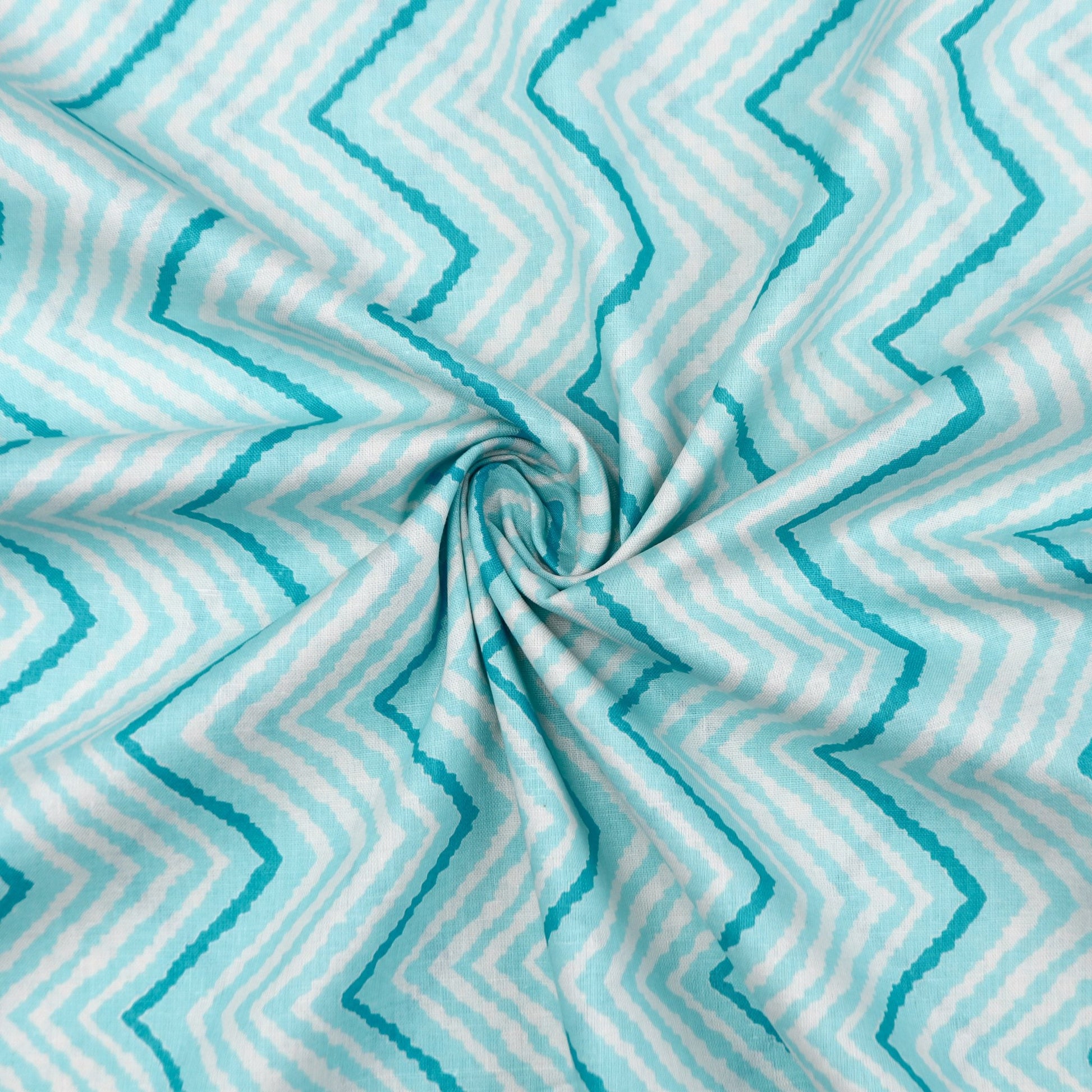
Selecting fabric for a garment is not only about choosing an attractive colour or print. The technical properties of the material determine how easily it can be cut, stitched and worn. Fabric weight, width, weave, opacity and surface finish all influence the final shape and comfort of a garment.
These factors become especially important when purchasing fabric online because buyers cannot physically touch the material before ordering. Product descriptions, specifications and recommended applications should therefore be reviewed carefully. A better understanding of these details can help buyers choose fabric that suits both the design and practical requirements of the project.
Begin with the Fabric’s Intended Purpose
Before comparing prints or colours, determine what the fabric will be used to make. A shirt with a structured collar needs a different material from a gathered dress or a loose nightwear set.
Everyday kurtas, tops and children’s clothing often require fabric that is breathable, comfortable and easy to maintain. Shirts and semi-fitted garments may need a smoother and slightly firmer material that can support buttons, cuffs and seams. Loose dresses may benefit from a softer fabric with more movement.
Starting with the garment type makes it easier to evaluate the remaining specifications.
What Does GSM Indicate?
GSM stands for grams per square metre and refers to the approximate weight of the fabric. A lower GSM normally indicates a lighter material, while a higher GSM suggests a denser fabric.
Lightweight cotton can be comfortable in warm weather and suitable for relaxed clothing. However, very light fabric may be slightly transparent or require lining. A medium-weight material often provides better coverage and can hold its shape more effectively.
GSM should not be used as the only measure of quality. The weave, yarn thickness and finishing process can make two fabrics with similar GSM values feel noticeably different. Buyers should therefore consider GSM together with the fabric description and recommended garment uses.
Why Cambric Works for Everyday Clothing
Cambric is generally recognised for its closely woven construction, smooth surface and neat appearance. It offers more structure than very soft, loosely woven cotton while remaining comfortable enough for regular clothing.
People looking for cambric cotton fabric online india may consider it for kurtas, shirts, dresses, pyjama sets, children’s garments and lightweight co-ord sets. Its relatively even surface can display printed designs clearly, making it useful for garments where the pattern needs to remain visible after stitching.
Cambric can also support practical construction details such as collars, pockets, cuffs, button plackets and simple pleats. The exact result will still depend on the fabric’s weight, finish and composition, so buyers should read each product specification instead of assuming that all cambric fabrics behave identically.
Check the Fabric Width Before Ordering
Fabric width has a direct effect on the number of metres required. Wider fabric may allow front, back and sleeve pieces to be placed efficiently, while narrow fabric can require additional length.
The required quantity will also depend on garment size, sleeve style, flare, length and pattern placement. A straight kurta generally needs less material than a full-length gathered dress. Matching large motifs, stripes or directional patterns can also increase fabric consumption.
Before ordering, share the listed width with a tailor or pattern maker. This can prevent shortages and reduce unnecessary leftover fabric.
Study Weave, Texture and Surface Finish
The weave affects how the material feels, drapes and responds to stitching. A closely woven fabric usually offers a smoother finish and greater stability. Looser constructions may feel softer but can shift more during cutting.
Surface descriptions such as smooth, slub, textured, crisp or brushed provide additional clues. A smooth cambric may work well for clean tailoring, while a textured cotton may create a more casual or handcrafted appearance.
When browsing printed cotton fabric online, buyers should look beyond the print itself. An attractive pattern cannot compensate for a fabric base that is too stiff, transparent or heavy for the chosen garment.
Consider Print Size and Direction
Print scale should suit the garment’s dimensions. Small motifs often work well on shirts, children’s clothing and fitted panels. Medium or large patterns may have a stronger visual effect on dresses, long kurtas and wide silhouettes.
Directional prints require careful cutting because every pattern piece must face the same way. Stripes, borders and large motifs may also need matching at seams. This can increase both fabric usage and stitching time.
Product photographs should be examined closely to understand the approximate scale of the design.
Check Opacity and Lining Requirements
Light-coloured cotton fabrics may appear more transparent than darker options. Buyers should check whether the product description mentions opacity or lining.
Lining may be useful for pale dresses, skirts and fitted kurtas, while shirts or layered tops may not always require it. Considering this before ordering helps calculate the complete material and stitching cost.
Wash the Fabric Before Cutting
Cotton-based materials may shrink slightly during the first wash. Pre-washing before cutting allows the fabric to settle before garment measurements are finalised.
Use mild detergent, avoid excessive heat and follow the care instructions supplied with the fabric. Printed materials should preferably be washed separately during the first few washes to protect their colour and finish.
Conclusion
Choosing cambric cotton successfully requires attention to measurable details rather than appearance alone. GSM helps indicate weight, fabric width affects quantity, and the weave influences structure, texture and stitching performance. Buyers should also consider opacity, print direction, garment construction and possible shrinkage before making a purchase. Reviewing these factors can prevent common problems such as insufficient fabric, unexpected transparency or unsuitable drape. When the material is selected according to the technical needs of the garment, the finished piece is more likely to fit well, maintain its shape and remain comfortable during regular use.
