
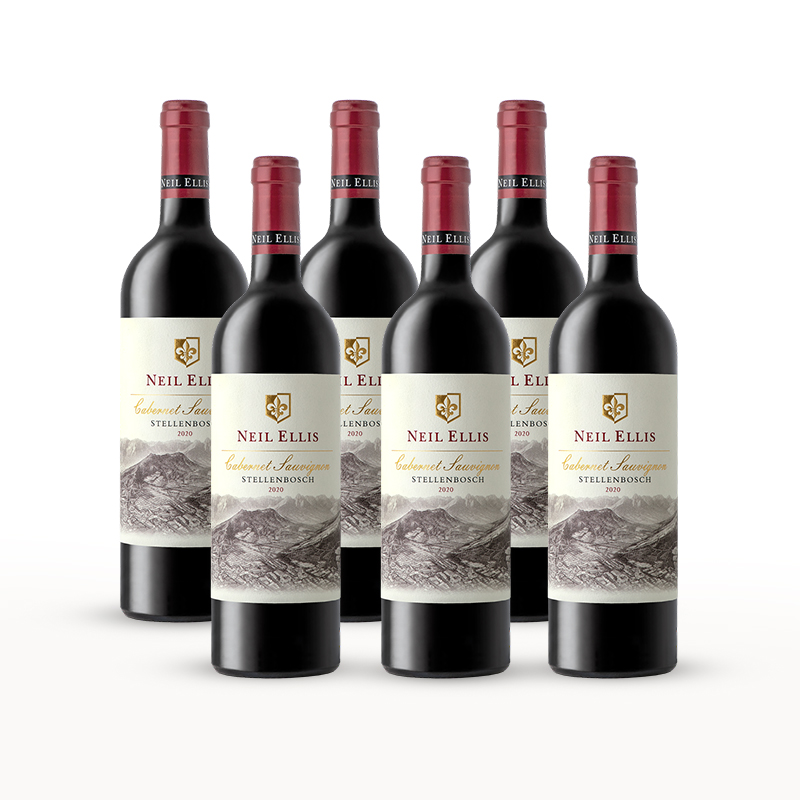
Walk into any serious wine shop and Cabernet Sauvignon commands prime real estate. Ask a sommelier about essential reds and it tops the list. But what transforms a grape variety into an undisputed classic? The answer lies not in marketing or tradition alone, but in a complex web of geographic dominance, structural characteristics, and historical accident.
The Bordeaux foundation
Cabernet Sauvignon’s reputation rests on Bordeaux’s Left Bank, where it anchors the world’s most celebrated wine blends. Châteaux like Lafite and Latour built their reputations on this grape’s ability to age gracefully for decades. Most people miss this detail: Cabernet Sauvignon rarely stands alone in these legendary wines. It’s typically blended with Merlot, Cabernet Franc, and other varieties.
This raises an uncomfortable question. If the grape needs blending partners in its birthplace, what makes it inherently classic?
Structural advantages that travel well
Cabernet Sauvignon possesses thick skins that produce intense color and substantial tannins. These tannins act as natural preservatives, allowing wines to develop complexity over time rather than fading quickly. The grape’s high acidity provides backbone, while its relatively late ripening concentrates flavors.
These characteristics create wines that improve with age. A young Cabernet Sauvignon might taste harsh or closed, but given time, those aggressive tannins soften and integrate. The wine develops secondary and tertiary flavors: leather, tobacco, cedar, graphite. This transformation from austere youth to complex maturity defines serious red wine in many consumers’ minds.
Cabernet Sauvignon adapts remarkably well to different climates and soils while maintaining recognizable characteristics. Plant it in Napa Valley’s volcanic soils, Australia’s terra rossa, or Chile’s Andes foothills, and you get distinctly different wines that still taste unmistakably like Cabernet Sauvignon.
The California validation
The 1976 Judgment of Paris proved pivotal in cementing Cabernet Sauvignon’s classic status. When Stag’s Leap Wine Cellars’ 1973 Cabernet Sauvignon defeated legendary Bordeaux wines in a blind tasting, it demonstrated the grape’s potential beyond France. This wasn’t just about one wine or one region. It validated the grape variety itself as capable of world-class expression.
Napa Valley subsequently built its reputation almost entirely on Cabernet Sauvignon. The valley’s Mediterranean climate and diverse soils proved ideal for the grape, producing wines with riper fruit flavors than Bordeaux but similar structural complexity. Other regions followed: Washington State, Margaret River, Stellenbosch. Each added their own signature to the grape’s expression while confirming its adaptability.
Enthusiasts looking to explore this versatility can find Cabernet Sauvignon wine deals online that offer access to expressions from multiple regions at various price points.
Market forces and collector psychology
Classic status requires more than quality. It demands market recognition and cultural acceptance. Cabernet Sauvignon benefits from being relatively easy to understand. Its flavors are bold and recognizable: blackcurrant, dark chocolate, vanilla from oak aging. New wine drinkers can identify these characteristics without extensive education.
The grape also photographs well, metaphorically speaking. Its deep purple color looks impressive in a glass. The wines age predictably, making them suitable for cellaring and speculation. Auction houses and collectors gravitate toward wines that improve with time and command higher prices as they age. Cabernet Sauvignon delivers on both fronts.
Critics and wine publications have reinforced this perception. Robert Parker’s 100-point scale famously favored the concentrated, powerful style that Cabernet Sauvignon delivers naturally. High scores translate to high prices and increased prestige, creating a self-reinforcing cycle.
The contrarian view
Some argue that Cabernet Sauvignon’s classic status reflects marketing success rather than inherent superiority. Pinot Noir offers greater complexity and site expression. Nebbiolo ages as gracefully. Syrah provides equal power with more aromatic interest.
These critics point out that many celebrated Cabernet Sauvignon wines rely heavily on new oak, which can mask terroir and grape character. They argue that the grape’s popularity stems from its forgiving nature for winemakers rather than its exceptional qualities. This criticism misses something fundamental: classic status isn’t awarded solely for complexity or uniqueness. It requires consistency across regions, vintages, and price points. Cabernet Sauvignon delivers recognizable quality whether it costs $15 or $150.
Beyond the debate
Cabernet Sauvignon earned classic status through a combination of structural advantages, historical precedent, and market forces. Its ability to express terroir while maintaining varietal character, to age gracefully while remaining approachable young, and to succeed in diverse climates while preserving identity makes it genuinely exceptional.
The grape’s dominance isn’t accidental or purely commercial. It represents a convergence of horticultural characteristics and human preferences that few varieties achieve. That convergence defines what we mean by classic.
